.webp)
If you Google “hormone replacement therapy” or “HRT,” you are bound to find articles warning you about its dangers. And you may be wondering if this type of therapy will cause more harm than good. Let’s set the record straight and separate fact from fiction by reviewing the study together that caused a media frenzy and stoked fears about the safety of hormone replacement therapy.

If you Google “hormone replacement therapy” or “HRT,” you’re bound to find articles warning you about its dangers. So, you may be wondering if hormone therapy will cause more harm than good.
We want to help you separate fact from fiction. Let’s start by reviewing the study that caused a media frenzy two decades ago and stoked the fears about the safety of hormone replacement therapy—fears that persist today.
The 2002 Women’s Health Initiative (WHI) study on HRT was one of the largest women’s health research projects ever launched in the United States. The WHI clinical trial and observational study enrolled more than 161,000 postmenopausal women between the ages of 50 and 79.
The women in the study were divided into two groups who took synthetic hormones. One group took Premarin (synthetic conjugated equine estrogen), and the other group took Prempro (synthetic conjugated equine estrogen and medroxy progesterone).
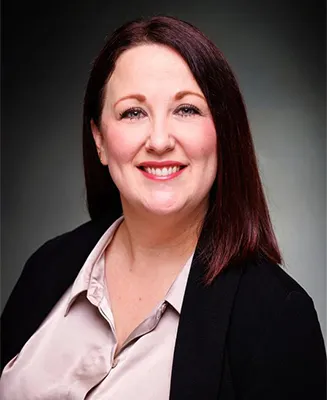
“Hormones do not cause cancer,” Dr. DeRosa said. “It is actually common sense to use them to help treat symptoms associated with perimenopause and menopause like hot flashes, vaginal dryness, night sweats, insomnia, and mood swings.”
Dr. Angela DeRosa
The first thing to understand about the WHI study was that the results were misrepresented and distorted when they were presented to the public. The media reported a 26% increase in the risk of developing breast cancer in those who took hormones, as well as increased risk of heart disease and stroke.
But that wasn’t the whole story for both how the study was conducted and its assumptions. Therefore, the study results as reported by the authors and the media were misleading.
Belmar Pharmacy Medical Director, Dr. Angela DeRosa, mentions the false conclusions made by the media in her book, “A Woman’s Hormonal Health Survival Guide: How to Prevent Your Doctor From Slowly Killing You.”
Dr. DeRosa noted the following:
The “26% increase” in the risk of developing breast cancer was based on the study’s findings that for every 10,000 women on hormones, eight women would develop breast cancer. Media reports did not make clear that this relationship was not statistically significant.
And yet many doctors today will not prescribe HRT to women who could benefit from it because of the original, flawed reporting.
After the report was published and the out-of-context conclusions were shared, it didn’t take long for experts to weigh in to critique the WHI study.
For example, these experts countered the media’s soundbites:
In his critique, Clark noted that most reproductive scientists believe that HRT should begin during the menopausal transition as a preventive therapy and not as a corrective one.
Dr. DeRosa agreed that the study was badly designed and highly flawed because the treatment group consisted of older women who didn’t represent the population that usually uses HRT.
Despite these positive findings by experts, there has been a 46% decline in HRT use since the study’s release due to the untrue claims about hormone replacement therapy. (3) This trend is disturbing considering the number of women suffering from menopause symptoms who have decided, based on faulty information, not to access the benefits of HRT.
For the many women who are open to trying HRT and are wondering why their doctors won’t prescribe it, Dr. DeRosa has the answer.
“Doctors have been trained to think hormones are dangerous for women,” Dr. DeRosa said. “But this is not true. Hormone therapy can be safe and effective when prescribed properly.”
The WHI study has received a lot of attention in the media, especially for its results relating to breast cancer. But other studies, critiques, and clinical practice guidelines support HRT for successfully addressing menopausal symptoms caused by a hormonal imbalance.
DeRosa says in her book that hormonal therapy, especially bioidentical hormones, may also benefit women’s overall health and longevity in many ways.
She writes: Estrogen decreases the likelihood of colorectal cancer, invasive breast cancer, and heart disease. It protects against collagen loss in intervertebral discs. It helps women maintain a healthy body mass index and lowers the risk of diabetes.
For any woman who still has a uterus, adding progesterone to hormone therapy helps protect the uterine lining from building up. And pairing estrogen with testosterone helps protect women’s bone health.
“Hormones do not cause cancer,” Dr. DeRosa said. “It is actually common sense to use them to help treat symptoms associated with perimenopause and menopause like hot flashes, vaginal dryness, night sweats, insomnia, and mood swings.”
It’s important to be cautious when doing your own research, especially when it comes to articles about hormone replacement, which can often be misleading. What we know is that HRT can have a positive effect when prescribed properly. If you’re thinking about using this type of therapy, work with your doctor to make sure you understand the risks and benefits associated with it before making a decision.
Angela DeRosa, DO, MBA, CPE is the founder of the Hormonal Health Institute and serves as a paid consultant to Belmar Pharmacy. However, Dr. DeRosa is not an employee of Belmar Pharmacy, and nothing herein should be construed as the promotion of Belmar’s compounded products over other hormone replacement therapies.
Patients interested in hormone therapy are encouraged to speak to a medical professional about their medical options and before seeking treatment. Nothing herein should be construed as making a claim about the safety or effectiveness of compounded products, which includes compounded hormone pellet therapy. All information provided herein is based on Dr. DeRosa’s own clinical experience in her capacity as a board-certified internist.
Get honest, expert-backed insights on hormones, symptoms, and wellness—delivered straight to your inbox. No noise, no fluff, just the stuff that actually helps.
Sign Up NowThe Change Is Personal is your trusted guide through perimenopause, menopause, and beyond—offering real talk, expert-backed insights, and zero fluff. Created by the team at Belmar, we’re here to help you feel informed, empowered, and supported at every stage of the journey.

.png)
.png)
 Share on Facebook
.png) Share on LinkedIn
Share on LinkedIn